

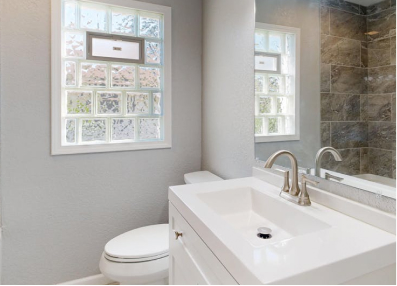


Bathrooms involve more plumbing components than most homeowners expect. This guide explains how everything works together so you can make selections with confidence.
Understand how different plumbing components work together so you can choose the right fixtures with confidence and clarity.
UNDERSTANDING THE BASICS
Bathrooms may look simple on the surface, but behind the walls are several plumbing components working together. Terms like valve, diverter, trim kit, and thermostatic control can sound complicated at first — but they don’t have to be.
The hidden component inside the wall that controls water flow, temperature, and pressure.
The visible decorative portion — handle, plate, and knobs — that connects to the valve.
A control that directs water between multiple shower outlets.
Most bathrooms include the following plumbing fixtures.
Style, flushing system, seat height, and water efficiency.
Cabinet base, countertop, sink, and faucet chosen for storage and style.
Single-handle, widespread, or wall-mounted options available.
Deck-mounted or floor-mounted filler options for freestanding tubs.
The most complex fixture may include multiple heads, valves, and diverters.
SHOWER SYSTEMS
The heart of every shower is the valve installed inside the wall. It controls temperature, pressure, and which outlets receive water. The visible portion you interact with is called the trim kit.

Once a valve is installed inside the wall, it remains there permanently — making early selection critical.

The hidden plumbing component installed behind the wall that controls hot and cold water flow. Installed once — stays forever.
The decorative visible portion — control handle, plate, and knob — available in chrome, brushed nickel, matte black, and brass finishes.
Directs water between multiple outlets such as a rain head and handheld wand. Some allow multiple outlets simultaneously.
Modern shower systems offer two main valve types.
Maintains consistent temperature by balancing hot and cold pressure. Common in most residential installations.
Allows users to set a specific water temperature maintained automatically. Common in luxury and multi-head systems.
From simple to spa-level — here are the most common setups.
“Simplest configuration — straightforward installation.”
“Diverter allows switching between outlets.”
“Must be selected early — requires complex plumbing planning.”
When selecting bathroom fixtures, homeowners should consider several factors.
Fixtures should complement the overall design style of the bathroom.
Common finishes include:
Bathroom fixtures are used daily, so durability is important.
Most homeowners visit a plumbing showroom to see and compare fixtures in person. Showroom consultants can ensure all required components are selected correctly.
HOW TO REACH US
Helping homeowners create spaces they love — almost anywhere in Jersey.
Email:
hello@hyvesthomes.com
Hot Line:
732-882-7702
From Piscataway to Princeton, Edison to Montclair — and everywhere in between…
Hyvest has transformed houses into homes while meeting some truly awesome homeowners along the way.
Bathroom plumbing is installed during the mechanical rough phase of construction before drywall. Once walls are closed, changing plumbing configurations becomes significantly more complicated and costly.

Bathroom fixture selections should be confirmed as early as possible in the project ideally before mechanical rough-in begins.

UP NEXT
Go deeper into shower layouts, multi-head systems, body sprays, diverter configurations, and luxury spa-style shower setups.
