

Lighting is the unsung hero of home design. A well-planned lighting strategy enhances functionality, creates ambiance, and brings your home’s architectural details to life.
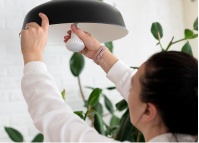
Create the perfect atmosphere with layered lighting plans that improve comfort, style, and everyday usability.

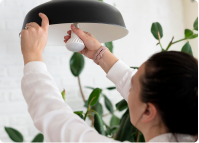
Create the perfect atmosphere with layered lighting plans that improve comfort, style, and everyday usability.
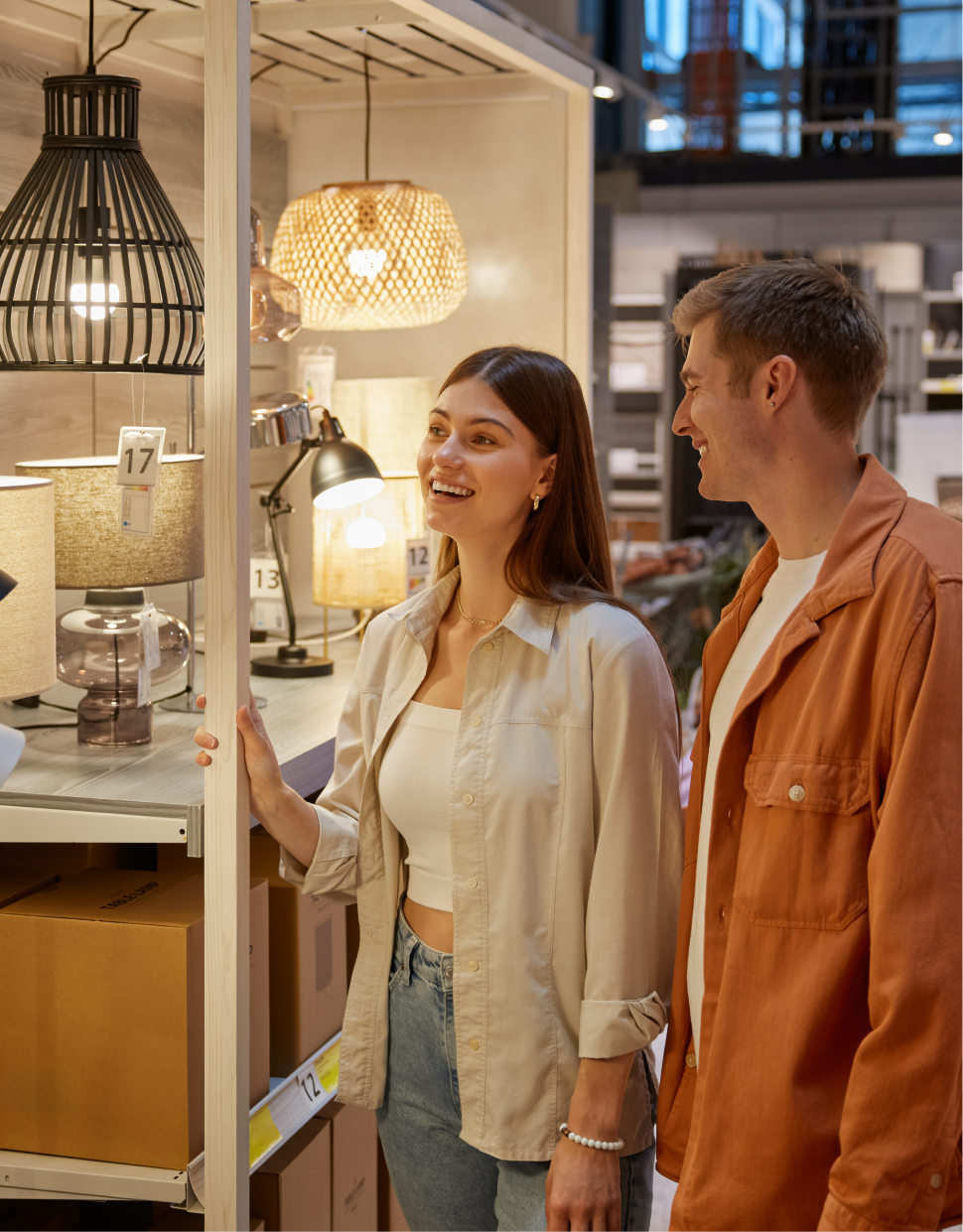
Proper lighting does more than just illuminate a room. It sets the mood, highlights design features, and makes daily tasks easier. Planning your lighting early ensures you have the right light exactly where you need it.
A successful lighting plan combines three essential layers of light to create a balanced and functional space.
The general illumination of a room, providing comfortable overall brightness.
Direct, intense illumination for specific
activities like reading or cooking.
Directional lighting used to highlight architectural features or artwork.
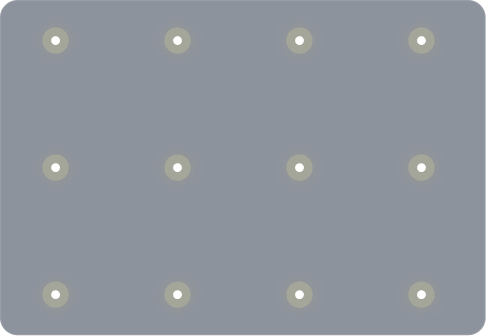
Also known as “can lights” or “downlights,” recessed lighting is the foundation of modern ambient lighting. It provides clean, unobstructed ceilings and even illumination.
Lights are generally spaced 4-6 feet apart, and about 2-3 feet away from walls to prevent harsh shadows.
These fixtures act as the “jewelry” of your home, drawing the eye and establishing the design style of the space.
Large, suspended focal points typically used in dining rooms or grand entryways.
Single fixtures suspended from the ceiling, perfect for kitchen islands.
Wall-mounted fixtures that provide eye-level ambient or accent lighting.
Unique, artistic lighting pieces that serve as the room's main design element.
Crucial for task lighting over
specific work zones.
Eliminates shadows cast by upper cabinets on countertops.
Requires careful placement to avoid harsh facial shadows.
Ensures safety, security, and
highlights exterior architecture.
Allow you to adjust light levels for different activities and times of day. Essential for creating ambiance.
Also known as 3-way or 4-way switches. Allows control of a single light fixture from multiple entrances to a room.
Systems controlled via smartphone or voice. Allows for scheduled routines, color changes, and remote access.
Using multiple lighting types in each room creates a more balanced and comfortable environment.
Higher ceilings may require additional lighting to ensure adequate illumination.
Lighting should support how the room will actually be used.
Stick to a consistent Kelvin Rating (like 2700K or 3000K) for a cohesive look.
UP NEXT
Learn how to choose the right tile materials, patterns, and layouts for your bathrooms and kitchen.