



What Happens After Drywall

The Home Begins to Take Shape

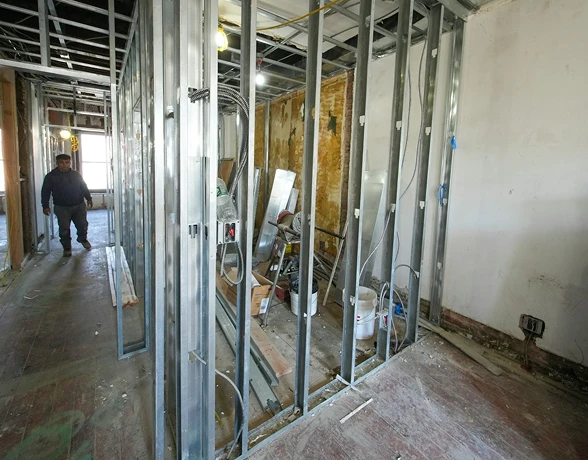
After inspections are complete and insulation has been installed, drywall is installed to create the finished interior walls and ceilings of the home. Once drywall is in place, the construction process shifts from structural work to interior finishing work. This stage is often one of the most exciting parts of the project because homeowners begin to see the design of the home come to life.

Interior Finishing

See how drywall transforms the structure into finished living spaces as interior details and design elements come to life.

Interior Finishing

See how drywall transforms the structure into finished living spaces as interior details and design elements come to life.

Drywall Installation

Drywall panels are installed on walls and ceilings to create smooth interior surfaces. After panels are secured to framing, drywall joints are finished using joint compound and tape — then sanded smooth for painting.

Once the drywall is finished and sanded, the walls are ready for painting.
Interior Painting

Painting is one of the first visible finishing steps after drywall installation.

Flat paint is often used on ceilings, matte/eggshell on walls, semi-gloss on trim and doors.

Interior Trim Work

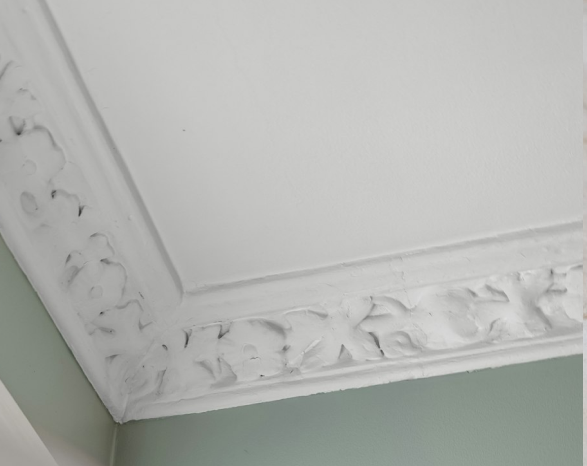
Trim carpenters install the decorative wood elements that define the finished character of the home — from baseboards to crown molding and stair railings.

Modern homes: minimal trim profiles. Traditional homes: more detailed moldings and ornate casings.

Cabinet Installation

Cabinets are installed after painting and trim preparation. Each cabinet must be carefully leveled, aligned, and securely mounted to walls and floors.

Once cabinets are installed, countertops can be templated, measured, and fabricated.

Countertop Installation

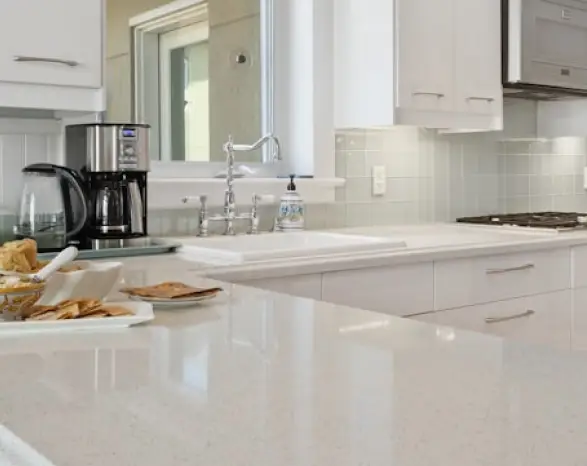
Countertops are installed after cabinets are secured. Countertop installation usually occurs after templating, which ensures the countertops are cut to fit the exact cabinet layout.

Once installed, countertops allow sinks and faucets to be installed.
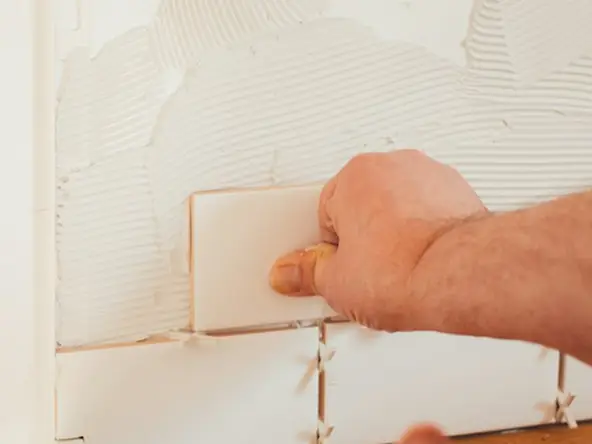
Tile Installation

Tile work often occurs around the same time as cabinetry and countertops. Tile installations require careful layout planning and precise installation.

Flooring Installation

Flooring installation typically occurs after many other interior finishes are complete. This helps protect flooring materials from damage during earlier construction stages.

Once flooring is installed, the rooms begin to feel truly complete.
Plumbing Fixture Installation

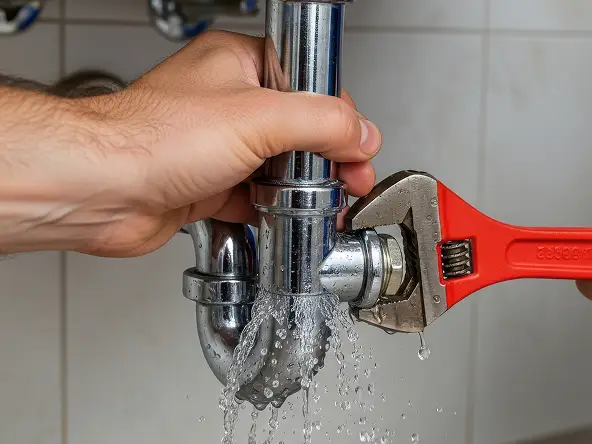
Once cabinets, countertops, and tile are installed, plumbers return to install the visible plumbing fixtures. This phase is known as plumbing trim-out.

This is the plumbing trim-out phase of construction.
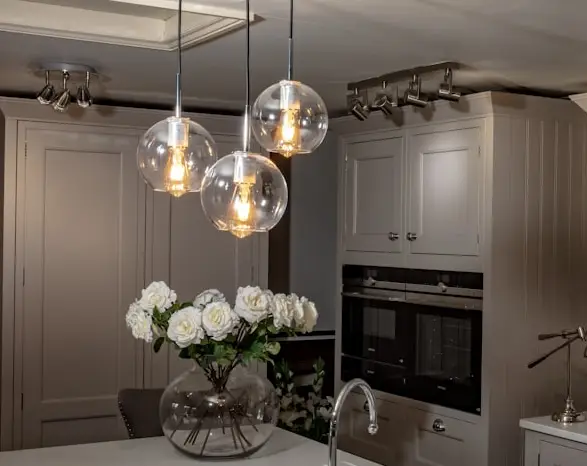
Electrical Fixture Installation

Electricians also return to install the visible electrical components. This stage is known as electrical trim out.

Once lighting fixtures are installed, the home becomes fully illuminated.

Appliance Installation

Kitchen appliances are usually installed toward the end of the construction process. Appliances are connected to plumbing, electrical, or gas systems depending on the appliance type.

This is the plumbing trim-out phase of construction.

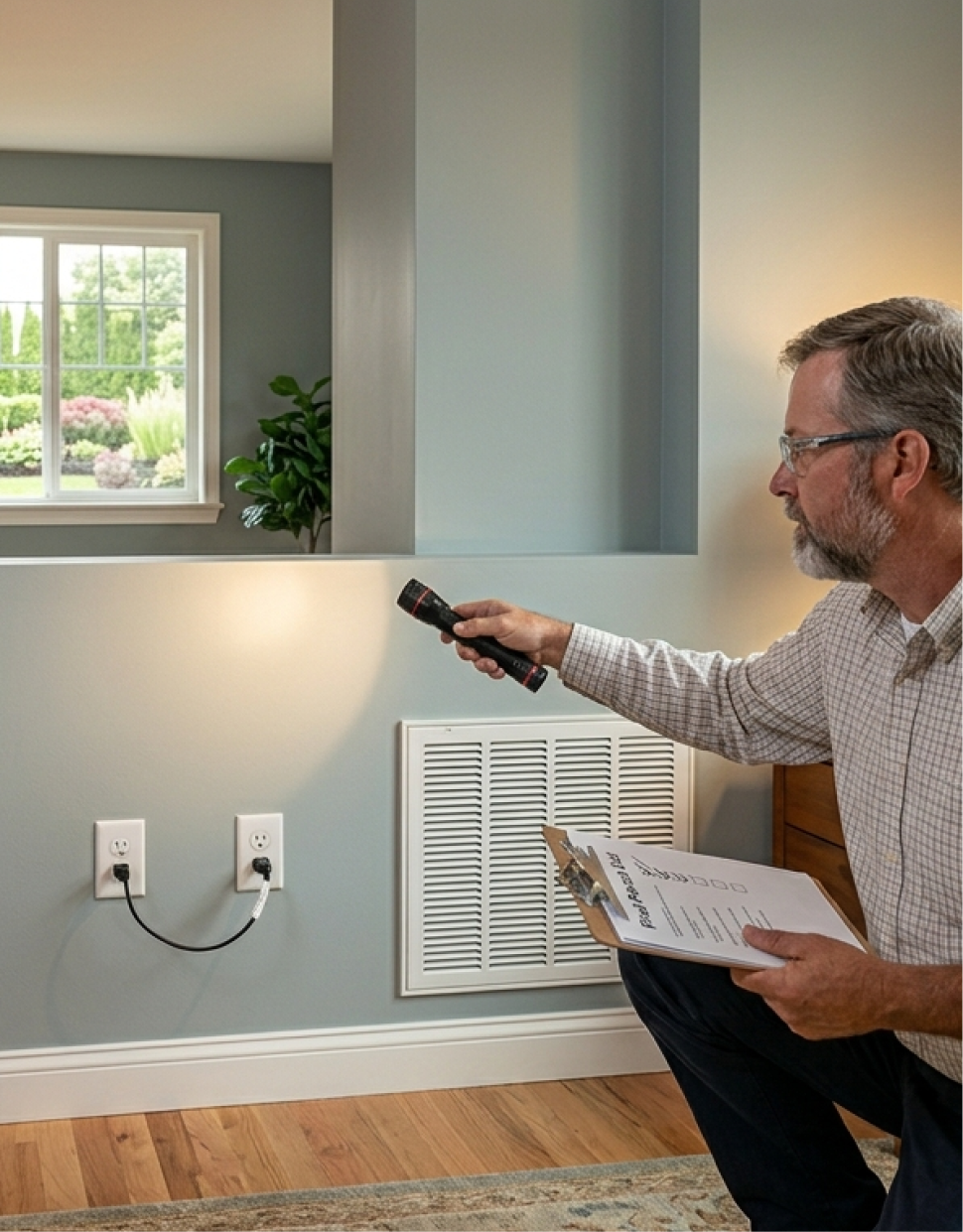
Final Adjustments

During the final stages, contractors make small adjustments and touch-ups throughout the home to ensure everything meets quality standards before the final walkthrough.

Paint Touch-Ups

Testing Plumbing Fixtures

Adjusting Cabinet Doors

Checking Electrical Systems

Cleaning Tile Grout Lines

Final Quality Inspection

By the end of this stage, the home begins to look very close to finished. Most of the major construction work is complete.

UP NEXT

Change Orders Explained

This page will explain what change orders are, why they happen, and how they affect project cost and schedule.