Most construction projects require permits from the local municipality before work can begin. Permits exist to ensure that construction work meets local building codes, zoning regulations, and safety standards. These codes are designed to protect homeowners and ensure that buildings are constructed safely and properly.
Permits & Safety
Understand permits, inspections, and building codes to ensure your construction project meets all safety requirements.
The following types of construction work typically require permits from the local building department before any work can begin.
Home Additions
New rooms, extensions, or attached structures
Structural Renovations
Load-bearing wall changes or structural modifications
Electrical Work
New circuits, panels, or wiring installations
Plumbing Work
New plumbing lines, fixtures, or system changes
HVAC Installations
Heating, cooling, and ventilation system installations
Major Remodeling
Significant interior or exterior remodeling projects
What Happens During the Permit Process
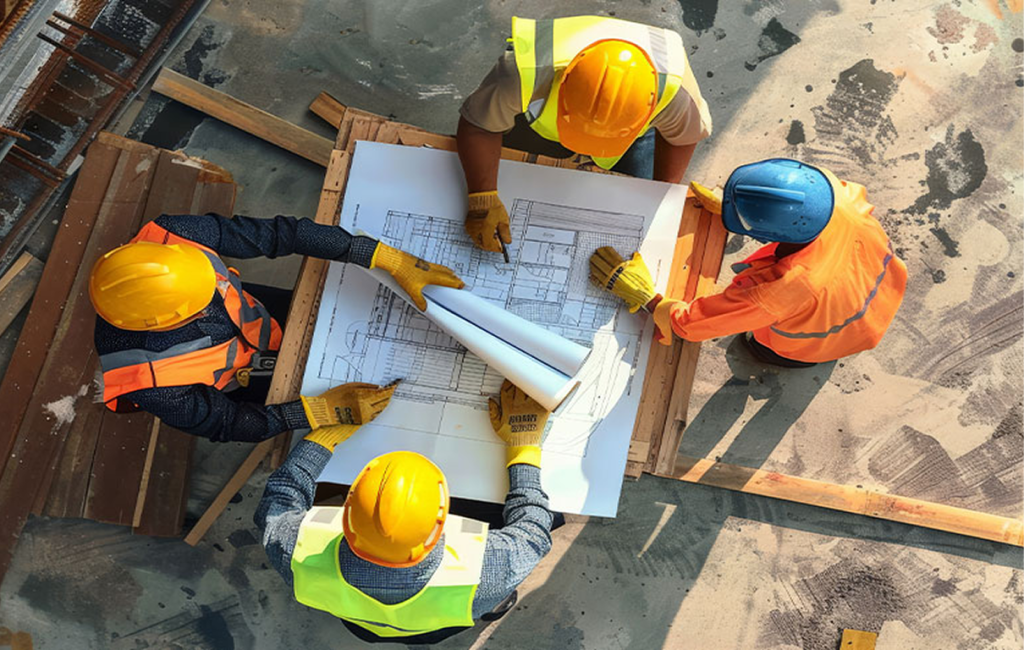
Before construction begins, the contractor submits the project plans to the local building department. The plans may also be reviewed by
Zoning Departments
Engineering Departments
Health Departments
Fire Departments
Once the plans are approved, the municipality issues the necessary permits that
allow construction to begin.
Inspection
Types
Construction inspections happen at key stages throughout the project. Each inspection must pass before the next phase of construction can begin
Foundation Inspection
After excavation and before concrete is poured, inspectors may review the footing or foundation layout to ensure it meets structural requirements.
Framing Inspection
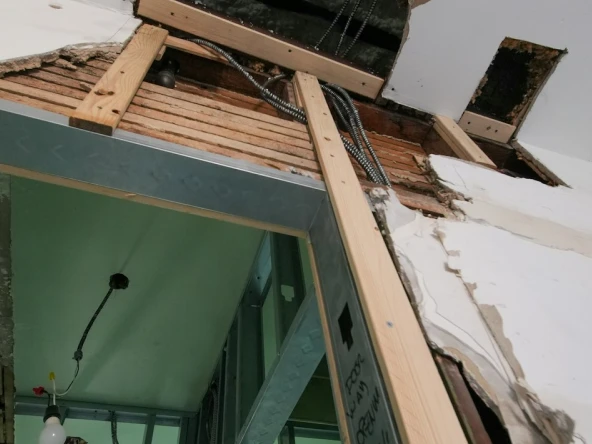
Once the structure is framed, the inspector checks the framing to confirm it meets structural code requirements. This may include reviewing beams, joists, headers, and load-bearing elements.
Rough Plumbing Inspection
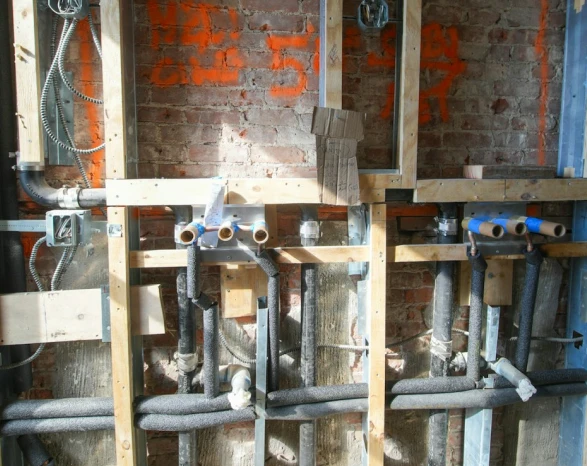
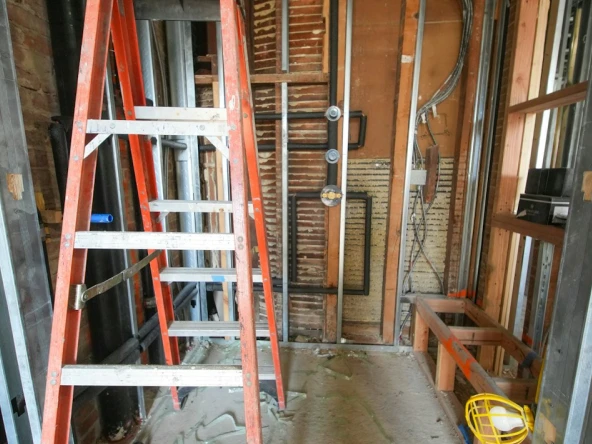
The inspector reviews the plumbing lines installed inside the walls before the walls are closed.
Rough Electrical Inspection
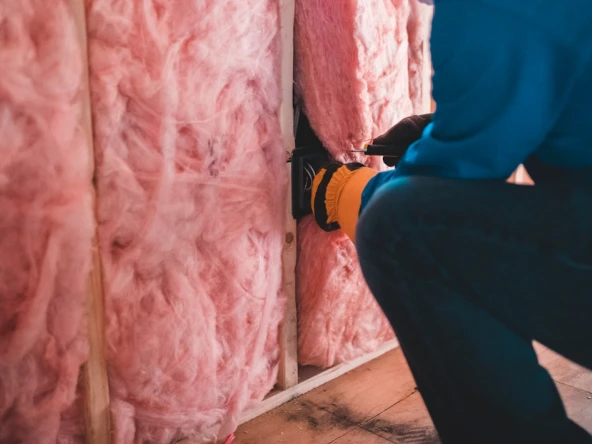
Electrical wiring, outlets, and electrical panels are inspected before insulation and drywall are installed.
Rough HVAC Inspection
Heating and cooling ductwork and mechanical systems are inspected before the walls are closed.
Insulation Inspection
After insulation is installed, inspectors verify that the required insulation levels are installed properly.
Final Inspection
Once construction is complete, a final inspection confirms that the project meets all building codes and that the space is safe for occupancy.
How Change Orders Affect The Project
Why Construction Pauses
Homeowners sometimes notice that construction pauses while waiting for an inspection. This is a normal part of the process:
Drywall cannot be installed until rough inspections pass
Framing cannot be covered until inspected
Final occupancy requires final approval
The change order clearly documents the price adjustment before the work is performed.
Inspection Scheduling
Inspection schedules are controlled by the local municipality. Depending on the town, inspections may be available
Same day
Next day
Several days later
Although inspection schedules are outside the contractor’s control, experienced builders plan construction timelines to minimize delays.
UP NEXT
Prepare for construction
This page will explain how homeowners can prepare their homes before construction begins preparing the work area, protecting belongings, understanding noise and dust, and planning daily routines.